
Good, Better, Best Quoting: Win More Jobs
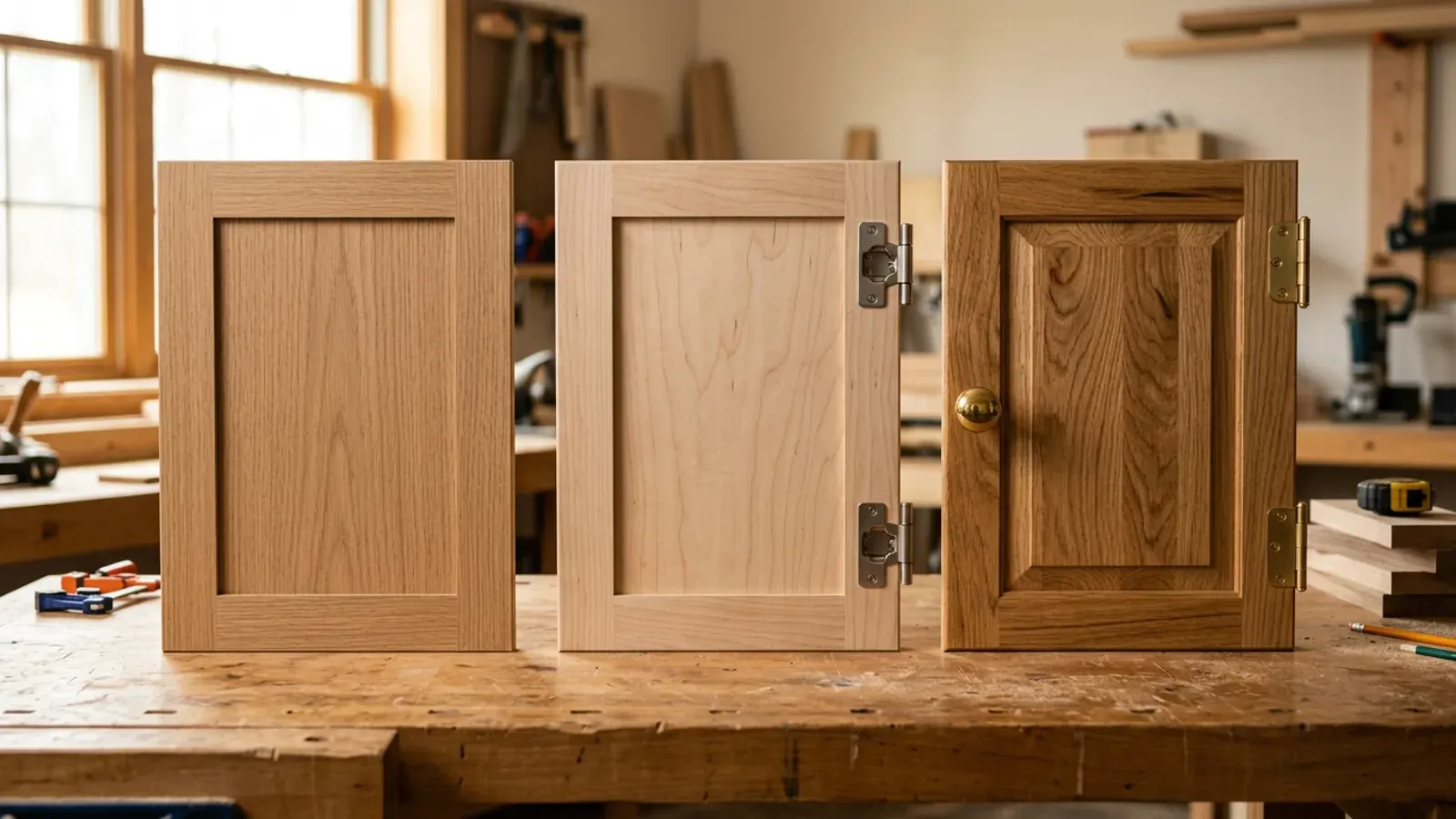
When you send a customer a single price, the only decision they can make is yes or no. You have handed them a coin to flip. Quote high and they walk; quote low and you have left money on the bench. There is a better way to put a price in front of someone, and it is one of the most researched ideas in buyer psychology: give them three options instead of one. Done honestly, good-better-best quoting wins more jobs and protects your margin, not by being clever, but by changing the question the customer is answering.
Why do three options beat a single price?
Three options beat a single price because they change what the customer is deciding. Against one number they ask “shall I?” and answer yes or no. Against three they ask “which one?”, and “no” quietly drops off the table. Most people then reach for the middle, because it feels sensible: not too risky, not extravagant. That instinct has a name in consumer psychology, the compromise effect, documented by Itamar Simonson in 1989 and replicated for decades since.
The behavioural economist Dan Ariely showed how strong the pull is. In Predictably Irrational he describes a set of Economist subscription options where, given a cheap plan and an expensive bundle, only about a third of people chose the bundle. Add a third, deliberately poor-value option sitting next to the bundle and its share jumped to around 84%, lifting overall revenue sharply. Nothing about the bundle changed; only the context it was seen in did.
Two forces do the work:
- Anchoring. Your “best” option sets a reference point. Next to it, your “better” option stops looking dear and starts looking like good value, even though its price never moved.
- Justification. People buy what they can defend, to themselves and to their partner. Three options hand them the reason: the top was a stretch, the cheapest felt like false economy, so the middle was the sensible call.
Is good-better-best quoting manipulative?
No, as long as every option is honest. The grubby version of this idea invents a deliberately rubbish third option purely to herd people toward the one you want. That is the decoy effect, first documented by Huber, Payne and Puto in 1982, and you should not build your quotes on it. Woodworking clients talk to each other, leave reviews, and come back for the next room; a customer who later works out they were played does not just stay away, they tell people.
You do not need the trick anyway. Every one of your three options can be genuinely fair value, and the psychology still works in your favour, because it rests on real differences the customer cares about. You are not constructing a fake to nudge someone. You are giving an honest choice to a person who would otherwise have been handed a coin to flip. That is not manipulation; it is respect.
How do you build three honest options for a job?
You spec the same job three legitimate ways. Same brief, same dimensions, same craftsmanship, at three honest levels of material and hardware. You change the inputs, not the integrity.
- Good meets the brief, properly made, with value-led choices: veneered MDF or standard-grade board, sound everyday hardware, simpler detailing. This is the option that lets a price-sensitive client say yes instead of no. Without it you would have lost them.
- Better is the middle, and usually where most clients land. A step up in material such as birch ply, soft-close hardware, the details that make a piece feel considered rather than basic. For most people it genuinely is the no-regrets choice, so pitch it as exactly that.
- Best is premium throughout: solid timber where it shows, specified hinges and runners, bespoke detailing, the finish you would photograph for your portfolio. Some clients want precisely this and are quietly relieved you offered it, and it anchors the price so “Better” looks like the easy win.
Same job, three real specifications. The customer self-selects against a budget you never had to ask about, and you have stopped guessing whether to pitch high or low, because you pitched the whole range.
What makes good-better-best work in practice?
A few details decide whether it lands:
- Put the option you would most like them to choose in the middle, where the eye settles and the compromise instinct pulls.
- Name the tiers for value, not price. “Essential, Signature, Heirloom” frames the choice better than “Cheap, Mid, Dear.”
- Make the differences legible. The customer should see why each step costs more: the specific materials and hardware that change. Clear reasons turn price gaps into value gaps.
- Show the premium even when you expect they will not take it. It does the anchoring, and it catches the occasional client who wanted it all along.
- Keep all three looking equally professional. Three clean, branded, itemised quotes say this shop knows its numbers. Three scribbles say the opposite.
Why is three-way quoting so hard to do by hand?
Because pricing the same job three ways is fiddly, and that is exactly why most workshops send one number and hope. Three material take-offs, three sets of hardware, three lots of markup and VAT to keep straight, three documents to format. By the third version you have lost an hour and the will to live, so you send a single price and gamble.
This is what the multi-quote workflow in Cutzilla Pro is built for, and the wider job of pricing a kitchen from its cut list is what cabinet quoting software exists to do. You price the same project several ways in one place, swapping the materials, hardware and spec, and it carries the costing, markup and tax through each version consistently, then exports them as clean, branded PDFs you can put side by side in front of a client. The maths stays right across all three, so the only thing you are deciding is the spec, not wrestling a spreadsheet into agreeing with itself. Multi-quote sits alongside the rest of the Pro feature set built for shops doing this every week.
Offer three honest options and you change the customer’s question from “shall I?” to “which one?”. That is a question far more jobs say yes to.
The takeaways
- One price is a yes/no gamble. Three options turn “whether” into “which”, and “no” loses its seat at the table.
- The middle wins most of the time. Anchor it with a genuine premium above and a genuine entry below.
- Keep every tier honest. Fake decoys win one job and cost you the next ten, and you do not need them.
- Make the differences obvious and the documents clean. Clear value, professional presentation, your choice in the middle.
Start free. Cutzilla prices and optimises your jobs in the browser, with no install and on any device. Start free.
Want multi-quote costing as your shop grows? Join the Pro waitlist.